I own a condo in Toronto with a wall-mounted gas combi boiler — the kind that handles both space heating and hot water on demand, no tank required. It’s not dead yet. But it’s not going to last forever either, and I’d rather figure out my replacement plan now than get stuck making a rushed decision the week it fails in January.
So I started digging into whether a heat pump is actually a realistic option for a condo unit like mine, not just a house with a backyard to stick a compressor in. Here’s where that thinking landed, organized around the questions I actually had to work through.
A quick note on scope: Not every Toronto condo has a combi boiler to replace in the first place. Most downtown highrise towers run on central building heating — a fan coil unit in your suite fed by a building-wide loop, maintained by the condo corporation and covered through your condo fees. If that’s your building, this post isn’t really for you; you don’t own the equipment, so the replace-it-yourself question doesn’t apply. Individual, unit-owned combi boilers show up in a narrower slice of the market: smaller condo and townhouse units where space is tight and a compact all-in-one unit makes sense — boutique low-rise buildings, stacked townhouse-style condos, that sort of thing.
Is this even my decision to make?
First question, before anything about technology: do I even own this equipment? Combi boilers in condos are typically individually owned — a wall-mounted unit serving just one suite — rather than something baked into a shared building system. That’s good news. It means this isn’t a condo-board retrofit cycle I have to wait on; it’s a decision I can make on my own timeline, with my own contractor. If you receive a gas bill, you likely are responsible for the HVAC unit:)
Does my building’s layout actually support a heat pump?
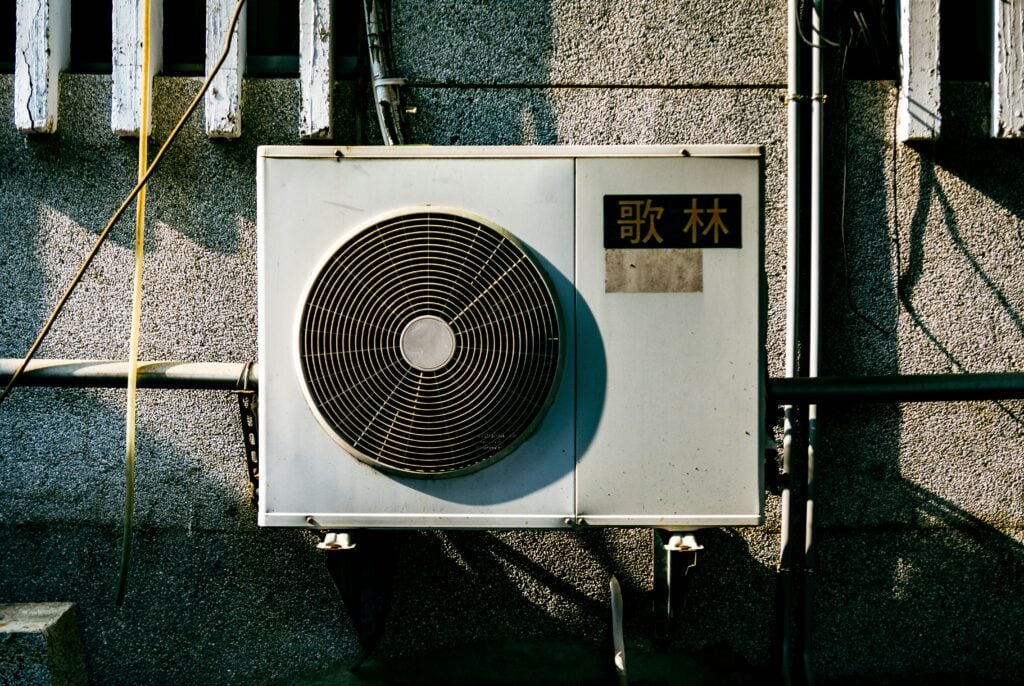
This is the part that made the whole question feel less theoretical. My AC condenser already lives on the ceiling in the underground parking garage, which means the building already has the infrastructure — refrigerant linesets running from a parkade-mounted unit up into my suite — that a heat pump needs too. In a lot of cases, you can swap that existing condenser for a heat pump version and reuse the same lineset penetration, instead of fighting the condo board over a new balcony unit or rooftop placement, which tends to be the biggest headache in condo heat pump retrofits.
There’s an unexpected upside to the parkade location, too: underground garage air runs warmer than outdoor air in winter, often somewhere in the 5–15°C range instead of whatever miserable number it is outside, because it’s tempered by building heat loss and exhaust air. A heat pump pulling from that warmer air performs better and defrosts less often than one bolted to an exterior wall in a Toronto February. Worth confirming with a contractor that the parkade’s airflow clearance and exhaust venting can actually handle it, since garages aren’t always designed with heat pump intake/exhaust volumes in mind.
What are my actual options?
A few paths exist, roughly in order of how often they show up in condo retrofits:
- Air-source heat pump replacing the whole system — using the existing parkade condenser slot, paired with a cold-climate model (Mitsubishi Hyper-Heat, Daikin, Fujitsu all make units rated well below -20°C) so it doesn’t lose capacity in a real winter.
- Air-to-water heat pump — the move if your unit runs hydronic heat (radiators, in-floor) rather than forced air, since it keeps the existing distribution and just swaps the heat source. Less common in North American retrofits, mostly because fewer local contractors are set up for it.
- Hybrid setup — heat pump as primary, with a small gas or electric backup for the coldest days. A reasonable way to de-risk the switch without going fully electric on day one.
Does switching mean I’m gas-free?
Mostly yes. A full air-source heat pump paired with a heat pump water heater eliminates gas dependency entirely — heating, cooling, and hot water all running off electricity. The exception is if you deliberately choose the hybrid route with a gas backup, which keeps a thin gas dependency by design. If full independence from gas is the goal, that means skipping the hybrid option and sizing an all-electric system properly for the climate here.
One thing I hadn’t considered until I looked into it: going fully gas-free means dealing with the existing gas line and flue, which raises a paperwork question for a condo — what happens to that infrastructure, and whether the condo corporation has bylaws about removing it from a unit. Not a dealbreaker, just something to sort out with the property manager before a contractor starts disconnecting anything.
What will it actually cost me — and are there rebates?
As of July 2026, Ontario’s main current program is the Home Renovation Savings (HRS) program, delivered jointly by Enbridge Gas, the IESO, and the province, which replaced the older Canada Greener Homes Grant (that federal program closed in 2024). The rebate amount depends on what you’re currently heating with: gas-heated homes qualify for a smaller rebate tier than electric, oil, or propane homes do. Coming from a gas combi boiler, that puts me in the lower bracket — worth confirming the exact current number directly with a registered contractor rather than trusting any single blog’s figure, since these programs have shifted multiple times since 2022 and funding is capped.
Toronto also has its own low-interest loan program for energy retrofits, with repayment tied to the property tax bill over a period of years — useful for spreading cost rather than paying it all upfront.
Will electricity end up cheaper or more expensive than gas long-term?
This was the question I went back and forth on the most. Straight per-unit pricing, electricity costs more than gas in Ontario. But that’s the wrong comparison for a heat pump, because it doesn’t generate heat the way a furnace or resistance heater does — it moves heat, delivering several units of heat for every unit of electricity it consumes. Once that efficiency multiplier is factored in, the gap between heat pump electricity and gas narrows considerably, and depending on rates and outdoor temperature, can flip in the heat pump’s favor.
On where prices are headed, both fuels have real upward pressure, just from different sources. Gas faces carbon pricing and exposure to global and geopolitical supply dynamics. Electricity faces its own pressure from nuclear refurbishment costs, but also — and this surprised me — from surging demand as EVs, heat pumps, and data centres all compete for grid capacity faster than the grid was built to expand. There’s also a structural irony worth knowing: when electricity demand spikes, Ontario often leans on natural gas “peaker” plants to fill the gap, meaning the two fuels aren’t as decoupled as they look on a monthly bill.
Nobody has a clean 10-year forecast here, but the heat pump’s efficiency multiplier works as a hedge regardless of which fuel rises faster — using several times less electricity per unit of heat than a resistance system cushions against exactly this kind of pricing uncertainty.
Benefits of a Heat pump (vs Combi boiler)
In addition to the elimination of your gas bill, efficiency multiplier regardless of fuel source, heat pumps:
- No combustion indoors — nothing burns inside the unit, which eliminates any carbon monoxide risk and removes the (small but real) possibility of a cracked heat exchanger or backdraft issue down the line
- Heating and cooling from one system — the same equipment handles both, versus running a separate AC and boiler (similar to the combi-boiler)
- Better humidity control in summer — heat pumps dehumidify as they cool, which can make a condo feel more comfortable at the same thermostat setting
- No gas line in the unit at all — one less utility connection, one less thing that can leak or need servicing
- Lower local emissions — nothing burning in your suite means zero combustion byproducts released at the point of use, even before you get into the broader carbon footprint of the electricity source
Price gap
I won’t pretend a heat pump swap comes cheap — it typically runs a few thousand dollars more upfront than a straight combi boiler replacement. My case for it rests on two separate bets with different risk profiles.
- Fossil fuel pricing — driven by global supply and demand, and likely to keep rising regardless of who’s in political office, narrowing the operating cost gap over the system’s 15-20 year lifespan. It’s a similar logic to hedging against a variable mortgage rate: you’re not certain rates will spike, but 2022 showed what happens when you’re exposed and they do.
- Rebate availability, and it’s shakier — programs like this one are government-funded, capped, and can shift with a change in government, so betting a similar rebate will still exist if I need it later carries real political risk the fuel bet doesn’t.
Neither guarantees the math works out for me specifically — that still depends on my rates and how long I stay in this unit — so I’m juggling different wagers, not one.
Where I’ve landed
This isn’t a decision to make from blog research alone. The next real step is getting an HVAC contractor who’s specifically done condo retrofits — not just detached homes — to look at the parkade condenser slot, my electrical panel capacity, and confirm what the building can actually support. Heat pumps generally draw more power than a gas boiler ever did, and condo unit panels can be tight, so that’s the practical constraint that’ll determine feasibility more than any of the technology or rebate questions above.
While I believe the HRS program offered via Enbridge does require you to own (and not lease the new unit via Enbridge like their old hot water rental program), I need to confirm whether condos are eligible: the eligibility housing types listed are single detached, semi-detached, row house, townhome, or mobile home on a permanent foundation — condo apartments aren’t explicitly named in that list.
If you’re aware of a HVAC contractor who’s specifically done condo retrofits in the Greater Toronto Area, please comment on our Instagram or Facebook post (too many spambots when we open comments on the blog itself).
Thank you!

Dihan
Managing Director – Organic Lifestyle, Spent Goods & AI Curious